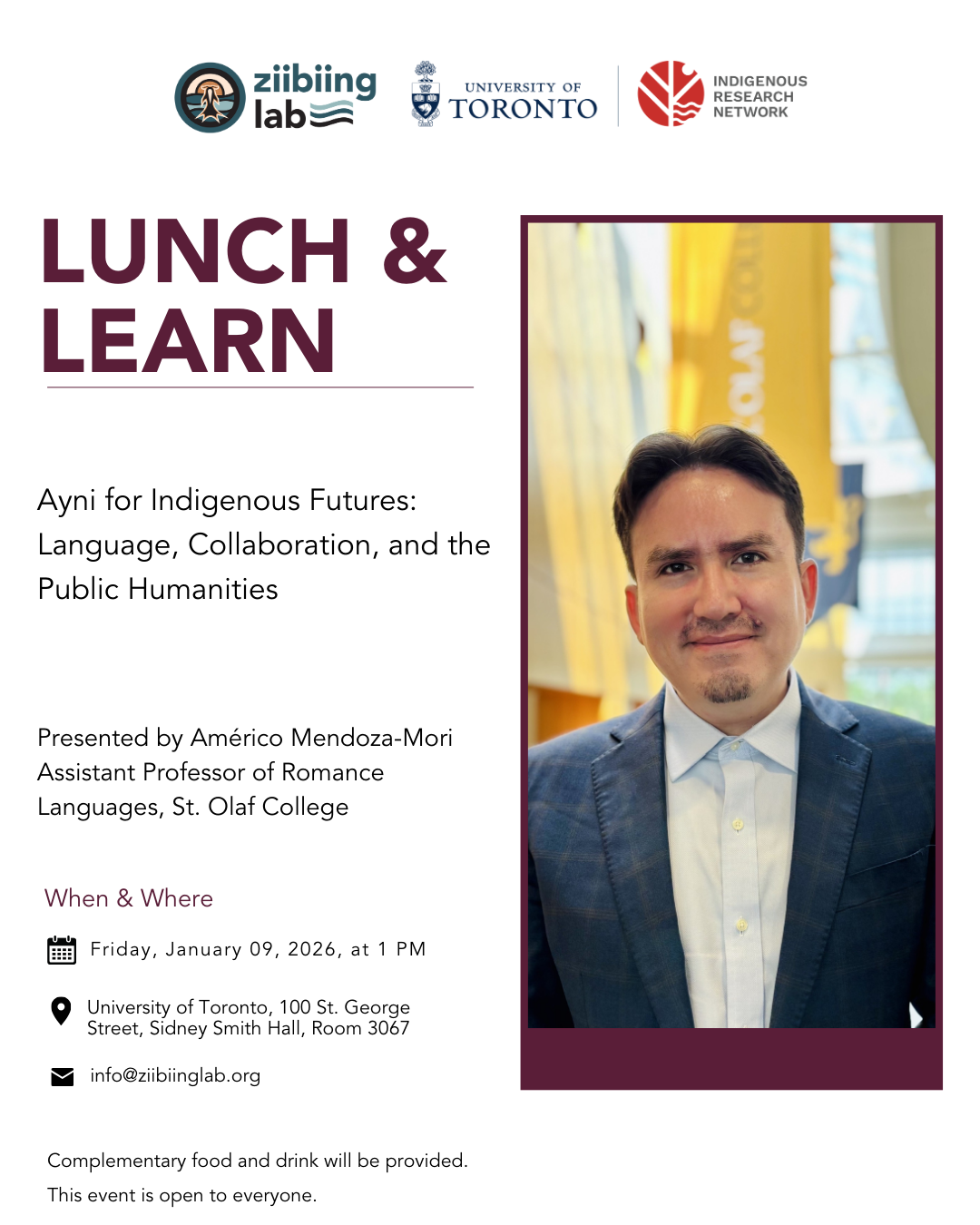
Ayni for Indigenous Futures: Language, Collaboration, and the Public Humanities
This talk explores how Indigenous languages and knowledge systems can reshape the ways universities teach, research, and engage with communities. Centering the Quechua concept of ayni—a practice of reciprocity and collective responsibility—it examines how Indigenous frameworks inform more ethical and collaborative approaches to the public humanities. Through examples from language revitalization, community partnerships, and diasporic initiatives across the Andes and the United States, the presentation highlights how Indigenous methodologies challenge colonial legacies and expand understandings of knowledge. Participants will be invited to consider how ayni can guide institutions toward more inclusive, relational, and community-rooted futures.
About the presenter
Dr. Américo Mendoza-Mori is an interdisciplinary scholar of Latin American, Latinx, and Indigenous studies and an Assistant Professor of Romance Languages at St. Olaf College, Minnesota. His work has appeared in academic journals and media outlets. He co-founded the Quechua Alliance, collaborating with communities in the Andes and the United States.